Partial Roof Replacement in Burbank Hills from $350. Sometimes one slope is the right job. Sometimes it is the expensive way to do half a job. Free inspection and a written quote.
This is where the partial-versus-full decision has a genuine code cost. Inside a Very High Fire Hazard Severity Zone, crossing half the roof area brings the whole roof under a Class A assembly requirement. Staying under it keeps the job a repair. That is a real number attached to a real line, and it should be established before the scope is written, not after.
The honest answer is that it depends on where the 50% line falls. Replace more than half the roof area in a one-year period and the whole roof has to comply with current code, which can mean the parts you were not planning to touch. Stay under it and you are doing a genuine repair to one section. That is a code question with a real cost attached, and it is the first thing worth establishing.


A partial sits between a repair, which is $350 to $1,500 here, and a full replacement at $10,000 to $25,000. What decides whether it is good value is not the section price -- it is whether you will be back for the rest inside two years and paying a second mobilization to get it. Two things push a hillside quote up. Access -- staging and material handling on a sloping lot with a narrow street. And, inside a Very High Fire Hazard Severity Zone, a Chapter 7A Class A assembly adds roughly $1 to $5 per square foot, about 22%. Worth knowing before comparing two quotes that are not specifying the same roof.
Mobilization. Permit, set-up, waste and a crew day cost much the same whether you do one slope or four, so two partials can cost more than one replacement.
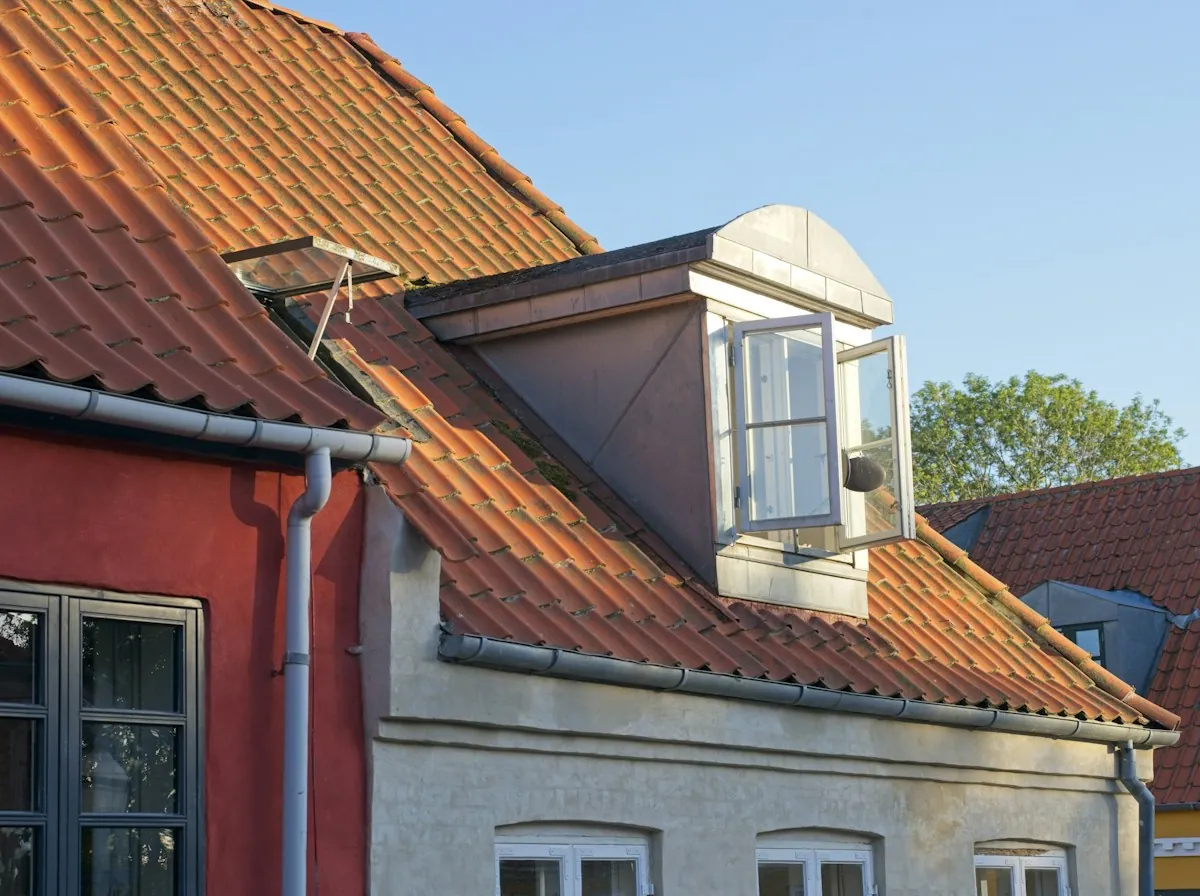
A separate structure -- a detached garage, an outbuilding, a rear addition on its own roof -- or one slope that has failed years ahead of the others.
Cross more than half the roof area in a one-year period and the whole roof has to comply. That can change the product, not just the price.
Two things change up here. Access -- staging, material handling and dumpster placement are all harder on a sloping lot with a narrow street. And fire. Parts of the Burbank hillside sit in a Very High Fire Hazard Severity Zone, and inside one a re-roof is a Class A assembly under Chapter 7A rather than a choice of product. We will not tell you your parcel is in one; the state and the city both publish maps and your own address is the only one that matters.
The state fire marshal publishes a Very High Fire Hazard Severity Zone map for Burbank, and the city publishes its own Mountain Fire Zone map. Check your own parcel on both rather than taking a contractor's word for it.
This is a replacement company saying so, which is the point. The most expensive mistake in this market is buying the whole roof when the job was a section of it.
A ridge cap loosened in a Santa Ana, an upstand split by movement, a vent boot gone brittle in the heat. Repairs, all of them, in the hundreds -- and all of them regularly offered as proof that the whole roof has had it.
A separate garage, an outbuilding, a rear addition on its own roof, or one slope that failed years ahead of the others. What we will also tell you is when a partial is just a deposit on doing the rest at a second mobilization cost.
When it is, we will say so plainly, because that is the same job as saying the opposite done honestly. What no homeowner should accept is either verdict without being walked through the reasoning.
On the hillside the replacement decision runs into the fire decision.
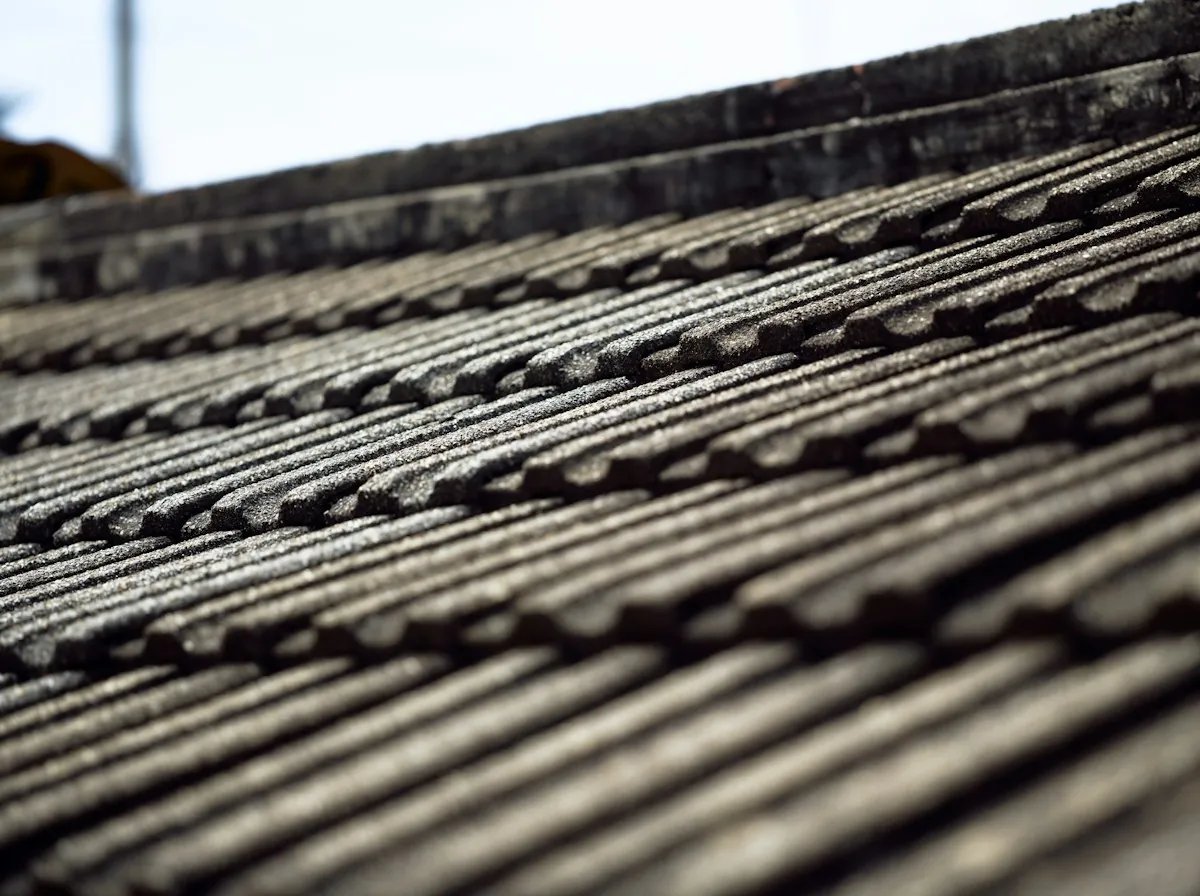
Tile is a Class A covering, but in a fire zone it is the assembly that is rated, not the tile on its own.
Wind is the local variable on the hillside.
Split-level hillside houses are joined by short low-slope links between the levels, and those links are where the trouble is.
The multi-unit stock up here is condominium clusters on sloping sites, which means a board, a reserve study and a shared roof over separately owned units.
Laid out 1887. Mixed-era streets, often three roofs a lot.
A 1945-50 grid, and a garage roof out the back.
Studio quarter. Controlled parking, managed loading.
Horse country. Outbuildings, and Griffith Park litter.
Half lots. All junction, no side yard.
Heavy canopy, high tile share, LADBS permits.
Dense. Small apartment blocks and LADBS permits.
What is worth knowing before you book this.
Usually yes, to some degree. New covering next to weathered covering does not match even in the same product and color, because the old one has faded. Where that matters we put the new work on the least visible slope, or use salvaged material from the section coming off.
There is a point where it stops being just a repair. Replace more than half the roof area in any one-year period and the whole roof has to comply with current code, which can change the product as well as the price. That line gets established before the scope is written.
Maybe, but get a second opinion before you sign anything, and never accept a price given at the door. Ask for a CSLB C-39 number and check it on the public register. That takes a minute and it is the single most effective thing you can do.
A typical single-family Burbank house is a three to five day job once it starts: tear-off and dry-in first, covering after. Tile takes longer than composition, and a lift and relay longer again because the tile is handled twice. Weather moves it, and we will not dry-in a roof we cannot finish.
No. The inspection is free, the written quote is free, and there is no obligation attached to either. What we will not do is give you a price at the door without going up.
Free inspection, and a written quote against a written scope. Every slope photographed before and after - the set is yours.