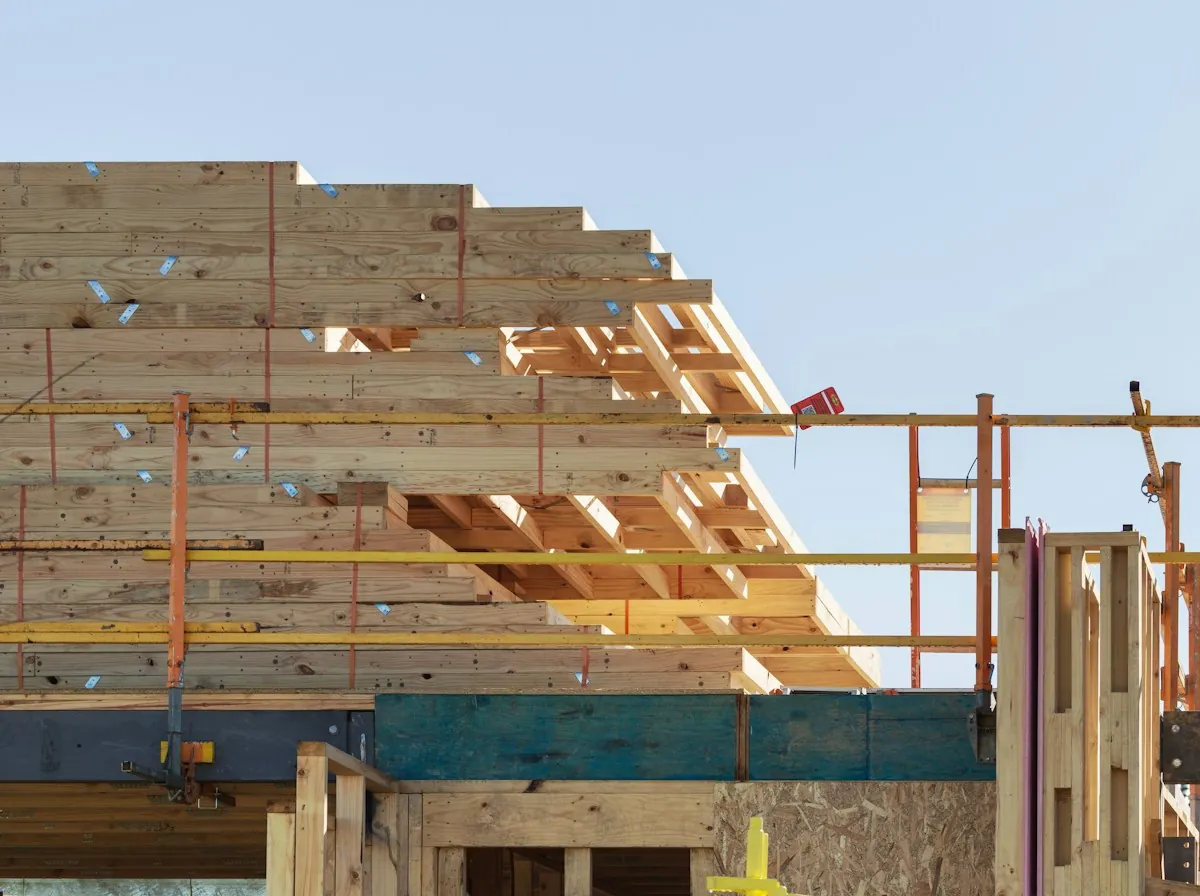
Roof Replacement in North Hollywood from $10,000. Full tear-off, deck inspected sheet by sheet, priced before anything comes off. Free inspection and a written quote.
The typical North Hollywood replacement is not a house. It is a two to eight unit building with low slope over most of it, assigned parking and tenants who need notice, permitted through LADBS. Price it like a house and the job runs over; price the logistics honestly and it runs to plan.
Burbank housing is older and tighter than the post-war tracts further out in the valley, and it is mixed: streets here can carry a 1920s house, a 1940s tract house and a 1960s addition within a few doors of each other. That matters because a replacement quote written off a drive-by assumes one roof, and these are frequently three roofs joined together.


A full replacement in Los Angeles County is estimated at $10,000 to $25,000 for most houses. The range is that wide because covering, pitch, access and what the old roof was hiding all move it -- which is why the survey comes before the number. Most of the work here is multi-unit, so the quote should be per building with the logistics priced openly: notice, parking, staging and a sequence that keeps occupied units covered. LADBS permits, and each building is permitted separately.
A simple roof shape, easy street access, a plywood deck in good condition, and booking outside the winter rush when every roofer in the valley is on a ladder.
Skip sheathing that has to be overlaid, a second story, tile rather than composition, a sloping lot, or soft decking found once the covering is off.
Sheathing replacement priced per sheet, the tear-off included or excluded, and the underlayment actually named. Those three account for most of the gap between quotes.
The City of Los Angeles neighborhood on Burbank's south-western side, including the NoHo Arts District.
Dense and mixed: original single-family streets, a great deal of post-war small-apartment stock, and newer infill between them.
The apartment share is what makes North Hollywood different. Two to eight unit buildings with low-slope roofs and assigned parking are the common job, and on those the constraint is never the covering -- it is staging, resident notice and where the dumpster is allowed to sit. Permits here are LADBS, not the City of Burbank.
Worth knowing before you start ringing round, and worth factoring into anything with a deadline on it.
Roofs here fail quietly through a dry summer -- ultraviolet light and heat working on the covering, granules washing away, laps loosening -- then a Santa Ana lifts whatever was already loose, and the first serious rain finds all of it at once. Every roofer in the east San Fernando Valley takes those calls on the same three nights.
The tile you meet in North Hollywood is mostly concrete tile on post-war and infill buildings rather than period clay.
A lot of North Hollywood apartment stock is two systems on one building: a shingled mansard or street-facing pitch, and low slope behind it where nobody can see.
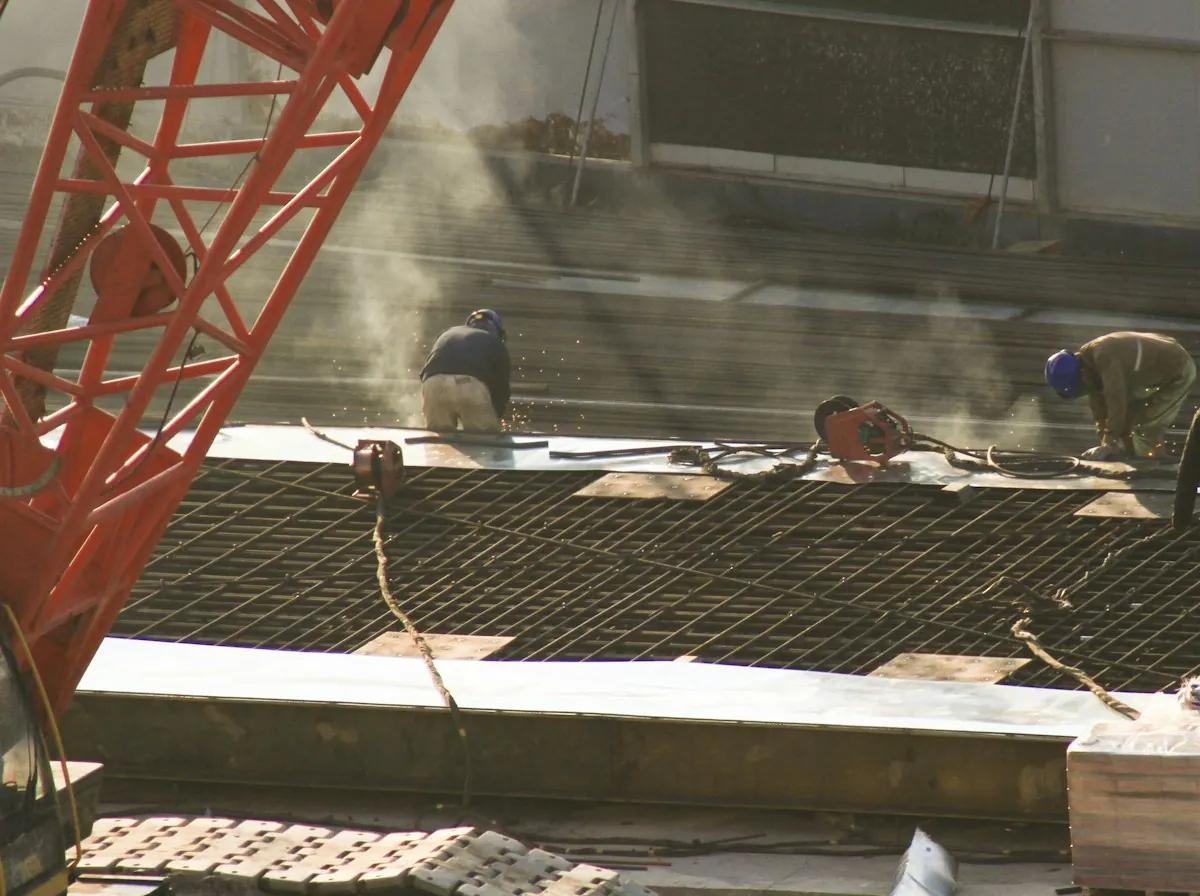
Low slope over post-war apartment blocks is the core job in North Hollywood, and the pattern is consistent: ponding at the low corner, a scupper that has been blocked long enough to leave a tide mark, and a parapet whose coping has opened up.
This is the densest of the areas we cover and the two-to-eight-unit building is the default rather than the exception.
On a multi-building site, partial means by building rather than by slope -- worst roof first, the rest scheduled.
Laid out 1887. Mixed-era streets, often three roofs a lot.
A 1945-50 grid, and a garage roof out the back.
Studio quarter. Controlled parking, managed loading.
Verdugo slopes. Fire zone at the margins, hard access.
Horse country. Outbuildings, and Griffith Park litter.
Half lots. All junction, no side yard.
Heavy canopy, high tile share, LADBS permits.
What is worth knowing before you book this.
Usually because they are not the same roof. Check whether each one includes a full tear-off, how sheathing replacement is priced, and what underlayment is specified. Those three account for most of the spread you are looking at.
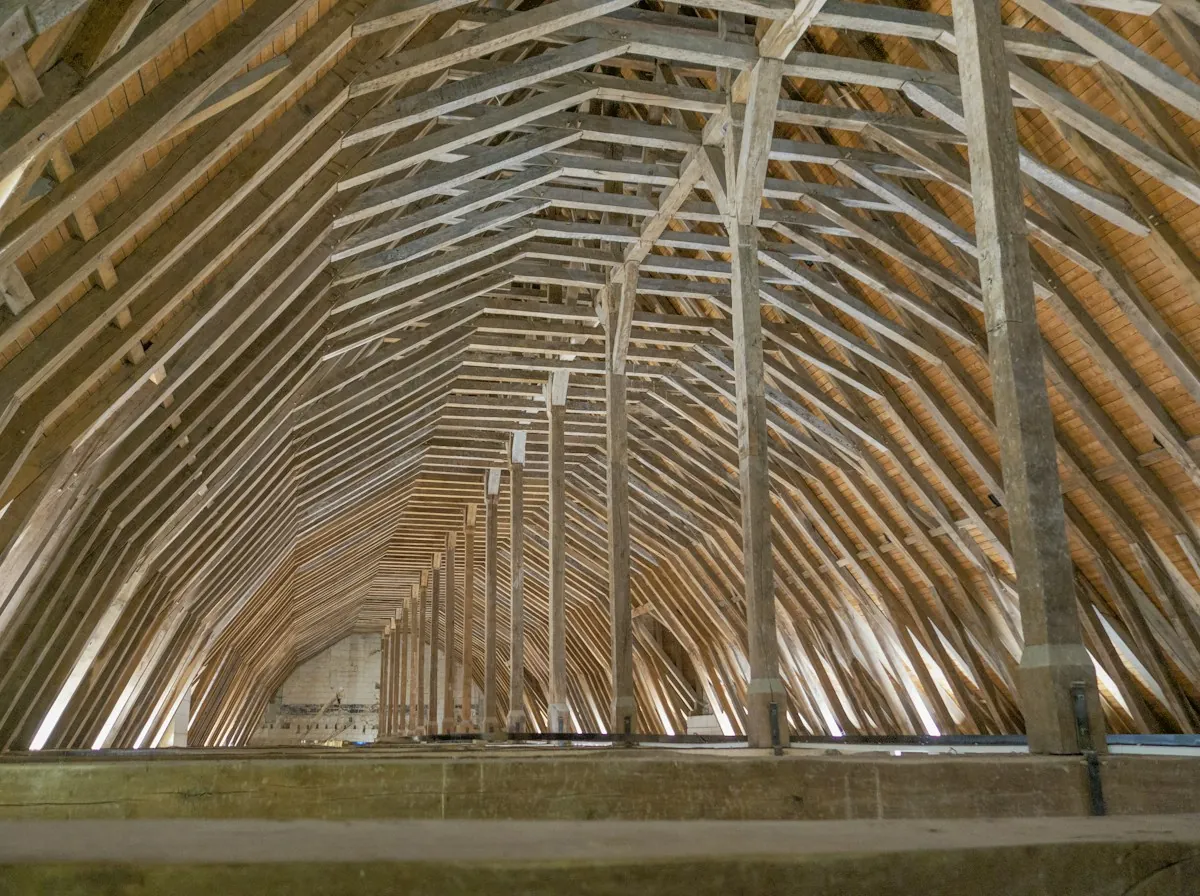
It is a deck of spaced boards rather than continuous plywood, common on Burbank's older houses because it was built for wood shake. A modern covering cannot be nailed into the gaps, so the deck has to be overlaid or replaced first. It is a real cost and it should appear on the quote, not after the tear-off.
Re-roofing is permitted work. In Burbank it goes through the City of Burbank's Building and Safety Division -- not LADBS, because Burbank is its own incorporated city -- and re-roof permits can be pulled through the city's own portal. Toluca Lake and North Hollywood are City of Los Angeles and do go through LADBS. We pull it either way, and the inspection is your independent check that the specification was followed.
A full replacement in Los Angeles County is estimated at $10,000 to $25,000 for most houses. Composition shingle runs $7 to $11 per square foot here and tile $15 to $25. The range is wide because covering, pitch, access and what the old roof was hiding all move it, which is why the inspection is free and the quote is written down.
Because most online figures are national. Asphalt shingle is about $8.50 per square foot here against roughly $4 nationally. A quote that matches a national average is usually missing something -- most often the tear-off or the sheathing allowance.
Free inspection, and a written quote against a written scope. Every slope photographed before and after - the set is yours.