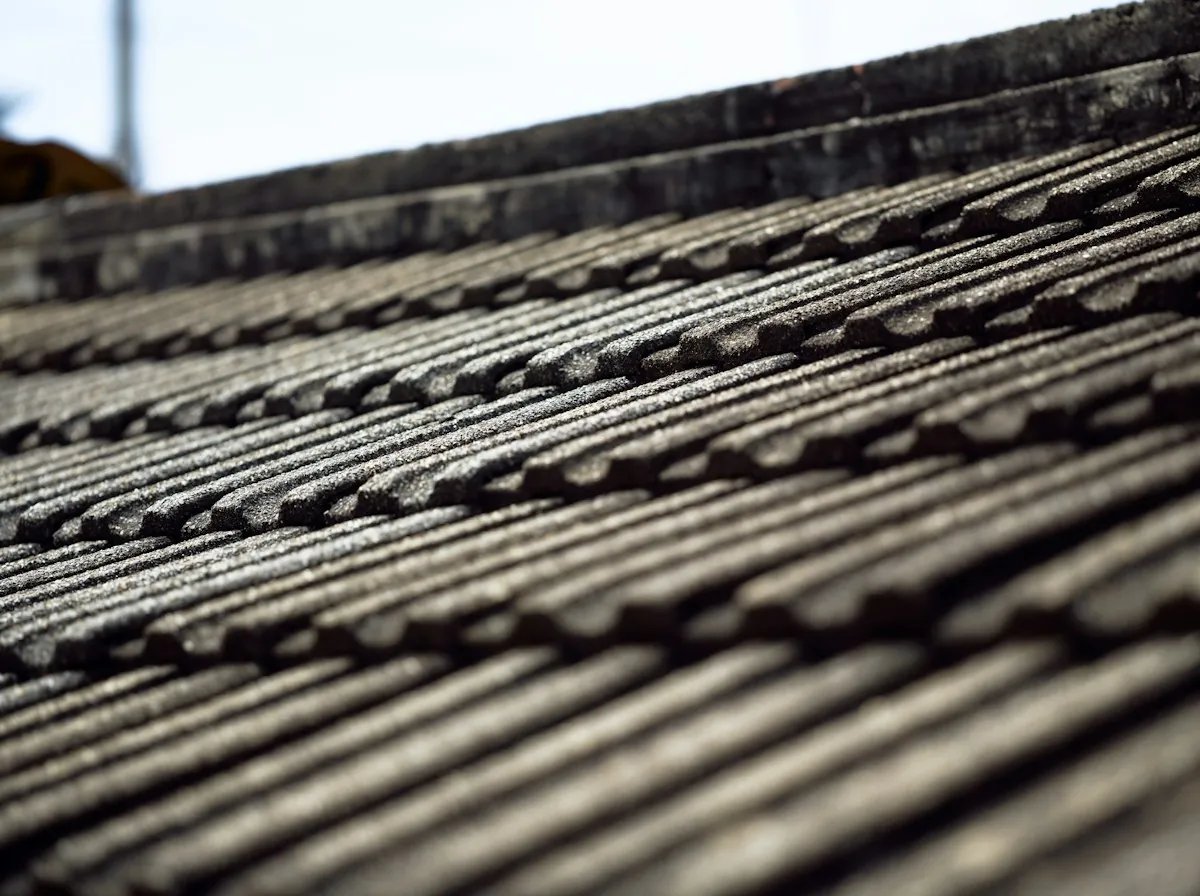
Roof replacement in Burbank priced against a written scope, with the deck checked sheet by sheet - and the cheaper option named when a relay or a partial is genuinely the right job.
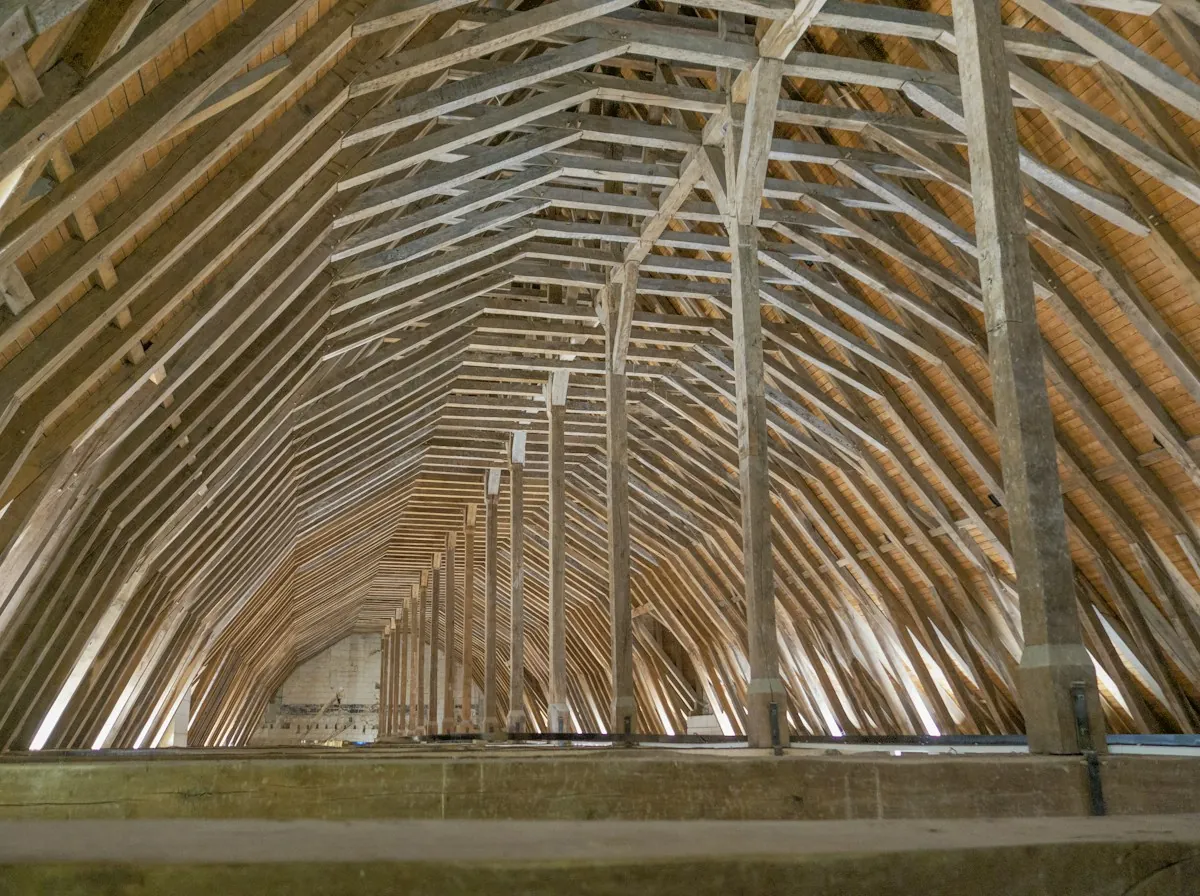
Burbank was laid out in 1887 and incorporated in 1911, which makes its oldest residential streets a generation older than most of the San Fernando Valley. On that stock the deck is frequently 1x6 skip sheathing rather than plywood, and that single fact changes a replacement: skip sheathing has to be overlaid or replaced before a modern covering can go down, and a quote that has not established which deck you have has not established its own cost.
Burbank housing is older and tighter than the post-war tracts further out in the valley, and it is mixed: streets here can carry a 1920s house, a 1940s tract house and a 1960s addition within a few doors of each other. That matters because a replacement quote written off a drive-by assumes one roof, and these are frequently three roofs joined together.

REQUEST A QUOTE
Complete the form and describe the work you need help with.


A full replacement in Los Angeles County is estimated at $10,000 to $25,000 for most houses. The range is that wide because covering, pitch, access and what the old roof was hiding all move it -- which is why the survey comes before the number. The variable that moves a Burbank quote most is the deck. Skip sheathing on the older stock has to be overlaid before a modern covering goes down, and that is a real cost that a quote written without going up there will not contain. Ask which deck yours is.
A simple roof shape, easy street access, a plywood deck in good condition, and booking outside the winter rush when every roofer in the valley is on a ladder.
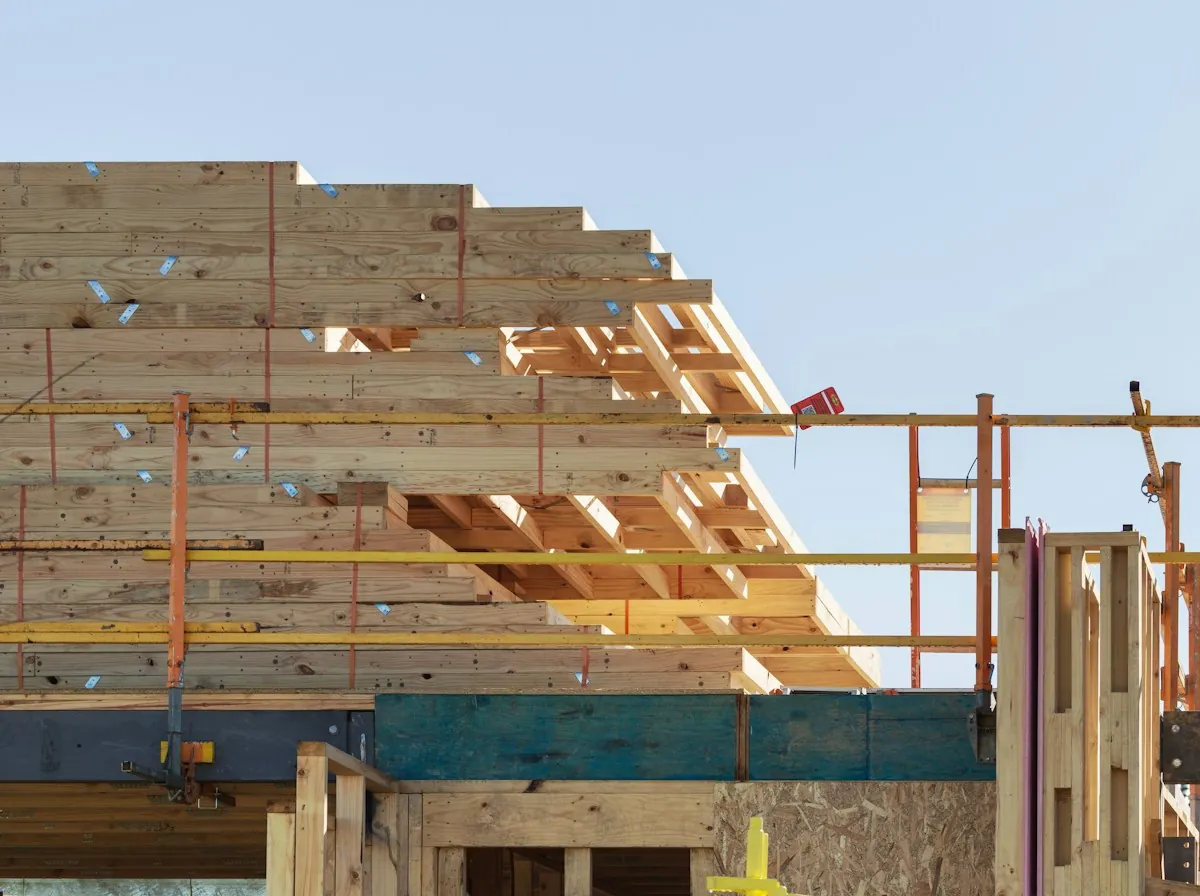
Skip sheathing that has to be overlaid, a second story, tile rather than composition, a sloping lot, or soft decking found once the covering is off.
Sheathing replacement priced per sheet, the tear-off included or excluded, and the underlayment actually named. Those three account for most of the gap between quotes.
Where this work normally leads, and what that costs.
On Burbank's older stock the risk is the profile.
The reason an overlay is a bad idea on an older Burbank house is underneath it.
Here is the rule that catches Burbank homeowners out.
Working on an occupied Burbank building means working to the city's own construction hours and to whatever the building's parking reality is.
Partial genuinely is the right answer more often in Burbank than elsewhere, because so many properties carry two or three roofs of different ages.
This is a replacement company saying so, which is the point. The most expensive mistake in this market is buying the whole roof when the job was a section of it.
A tile roof quoted at $30,000 to $60,000 for replacement is very often an $8,000 to $22,000 lift and relay, because concrete tile outlives felt by decades and only the felt has failed. Somebody has to count your tile before that question can be answered.
A ridge cap loosened in a Santa Ana, an upstand split by movement, a vent boot gone brittle in the heat. Repairs, all of them, in the hundreds -- and all of them regularly offered as proof that the whole roof has had it.
A separate garage, an outbuilding, a rear addition on its own roof, or one slope that failed years ahead of the others. What we will also tell you is when a partial is just a deposit on doing the rest at a second mobilization cost.
When it is, we will say so plainly, because that is the same job as saying the opposite done honestly. What no homeowner should accept is either verdict without being walked through the reasoning.
Free inspection, the cool-roof position settled, then a written price.
Tell us the covering, roughly how old, and what prompted the question. Most replacements are scoped from that plus a photograph before anyone travels.
The roof and the attic together. On Burbank's older streets the deck is frequently skip sheathing rather than plywood, and which one you have changes the price before anything else does.
Whether the job crosses half the roof area decides what has to comply with current code. That gets settled before the scope is written, not discovered at inspection.
Covering, underlayment and flashings named. Sheathing priced per sheet. The area left clean and the photographs handed over.
Including ours. There are enough door-knockers working this valley that the checks are worth making on anybody.
California licenses roofing under classification C-39, and the register is public and searchable in about a minute. Ask for the number before the work, not after it.
An overlay is cheaper on the day and hides the deck. If two quotes are thousands apart, this is the first place to look, and it should be written down either way.
Nobody can know how much decking needs replacing before the covering is off. It should be a rate per sheet in the scope, not a lump guess and not a change order.
A fire-rated assembly, a named underlayment and a cool-roof compliant product each move the price. A cheaper quote is sometimes a lesser roof rather than a better price.
A covering can look sound from the sidewalk and be finished at the laps. Insist that the roof and the roof space are both looked at before a figure is written down, ours included. What you should never accept is a number at the door, because a number at the door has to be padded to be safe.
More than 50% of the roof area in any one-year period is the line California draws, and it is cumulative -- two separate jobs inside twelve months get added together. Cross it and the whole roof has to comply, not just the part you touched. It governs two things at once: the fire classification the whole roof must meet, and whether the Title 24 cool-roof requirement applies.
Burbank is Title 24 climate zone 9. The steep-slope cool-roof requirement applies in zones 10 to 15, so a pitched roof here is generally outside it - and a quote charging you for it is worth a question. Low slope is the opposite: that requirement applies in all sixteen zones with no exemption.
On the Burbank hillside there is a third consequence. Inside a Very High Fire Hazard Severity Zone, crossing the same 50% line brings the whole roof under a Chapter 7A Class A assembly requirement, which adds roughly $1 to $5 per square foot. The state fire marshal and the city both publish maps; check your own parcel rather than taking anyone's word for it.

Laid out as a town in 1887 by the Providencia Land, Water and Development Company, on land David Burbank had run as a sheep ranch since 1867, and incorporated in 1911. Older and denser than the post-war tracts further west in the valley, and mixed in era rather than uniform -- a single street can carry three generations of house.
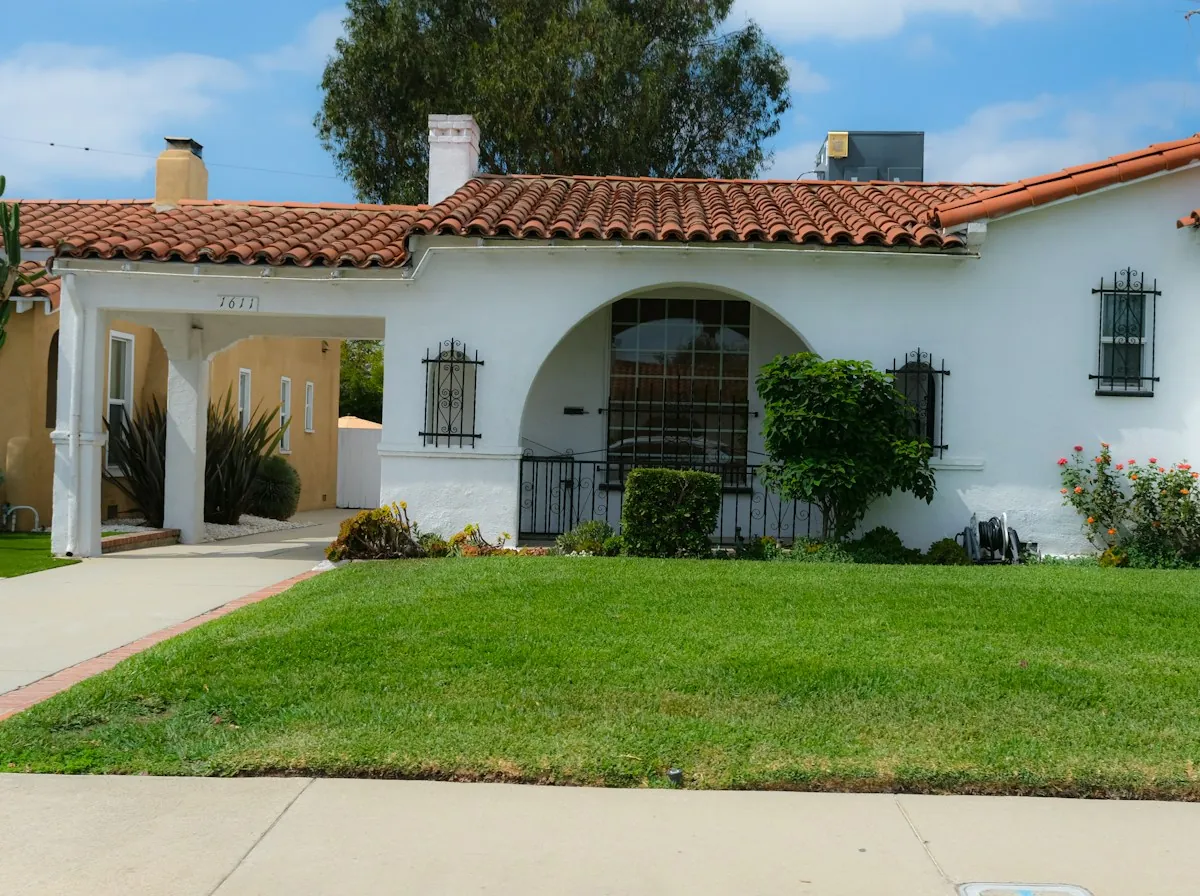
Mixed-era streets mean mixed-era roofs, and frequently several of them on one property: the original house, a rear addition on its own slope, a detached garage re-roofed at some other time. Tile and composition both have real share here, so a Burbank roofer has to price both properly rather than defaulting to one.
Burbank was laid out in 1887 and incorporated in 1911, which makes its oldest residential streets a generation older than most of the San Fernando Valley.

Six Burbank districts, plus Toluca Lake and North Hollywood on the Los Angeles side of the boundary - where the permit is LADBS rather than the City of Burbank.
A 1945-50 grid, and a garage roof out the back.
Studio quarter. Controlled parking, managed loading.
Verdugo slopes. Fire zone at the margins, hard access.
Horse country. Outbuildings, and Griffith Park litter.
Half lots. All junction, no side yard.
Heavy canopy, high tile share, LADBS permits.
Dense. Small apartment blocks and LADBS permits.
Answers to what actually gets asked on the phone.
Usually because they are not the same roof. Check whether each one includes a full tear-off, how sheathing replacement is priced, and what underlayment is specified. Those three account for most of the spread you are looking at.
It is a deck of spaced boards rather than continuous plywood, common on Burbank's older houses because it was built for wood shake. A modern covering cannot be nailed into the gaps, so the deck has to be overlaid or replaced first. It is a real cost and it should appear on the quote, not after the tear-off.
A full replacement in Los Angeles County is estimated at $10,000 to $25,000 for most houses. Composition shingle runs $7 to $11 per square foot here and tile $15 to $25. The range is wide because covering, pitch, access and what the old roof was hiding all move it, which is why the inspection is free and the quote is written down.
Sometimes less would do, and we will say so. A tile roof is very often a lift and relay at roughly half the price. A confined failure on a separate structure is a partial. The test is whether the covering away from the failure still has life in it, and you should be shown the evidence either way.
Maybe, but get a second opinion before you sign anything, and never accept a price given at the door. Ask for a CSLB C-39 number and check it on the public register. That takes a minute and it is the single most effective thing you can do.
A free inspection, a written quote, and an honest answer about whether you need the whole roof at all.