Tile Roof Replacement in Burbank from $8,000. Sound tile over failed underlayment is the commonest finding on a valley tile roof, and it is a relay, not a replacement. Free inspection and a written quote.
On Burbank's older stock the risk is the profile. Tile laid decades ago may be a shape nobody manufactures now, so every tile broken during the work is one you cannot replace with a match. That is exactly why the salvage count matters here and why a lift and relay, which reuses your own tile, is often the only way to keep the roof looking like itself.
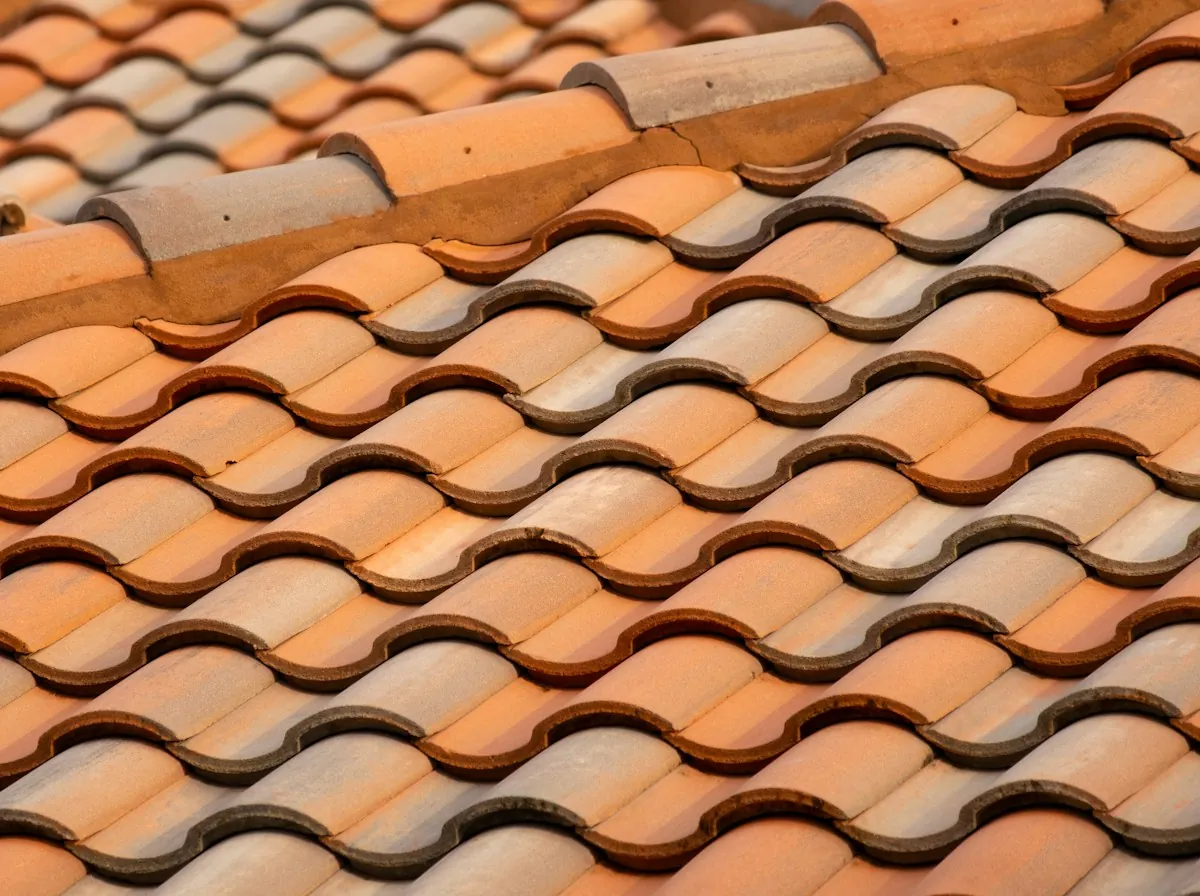
Concrete and clay tile outlives the underlayment beneath it by decades. A tile field that looks perfectly sound from the street can be sitting on felt that has gone brittle and torn, which is why the leak appears with no visible broken tile anywhere near it.


Full tile replacement in Los Angeles runs $15 to $25 per square foot, so $30,000 to $60,000 is a normal figure for one. A lift and relay -- your own tile back down over new underlayment -- is $8,000 to $22,000. That is the single biggest number on this site and it turns on one question: how much of your tile is still good. The variable that moves a Burbank quote most is the deck. Skip sheathing on the older stock has to be overlaid before a modern covering goes down, and that is a real cost that a quote written without going up there will not contain. Ask which deck yours is.
If the tile is sound and only the felt beneath has failed, the relay is the right job at roughly half the cost. We count the salvageable tile before quoting either.
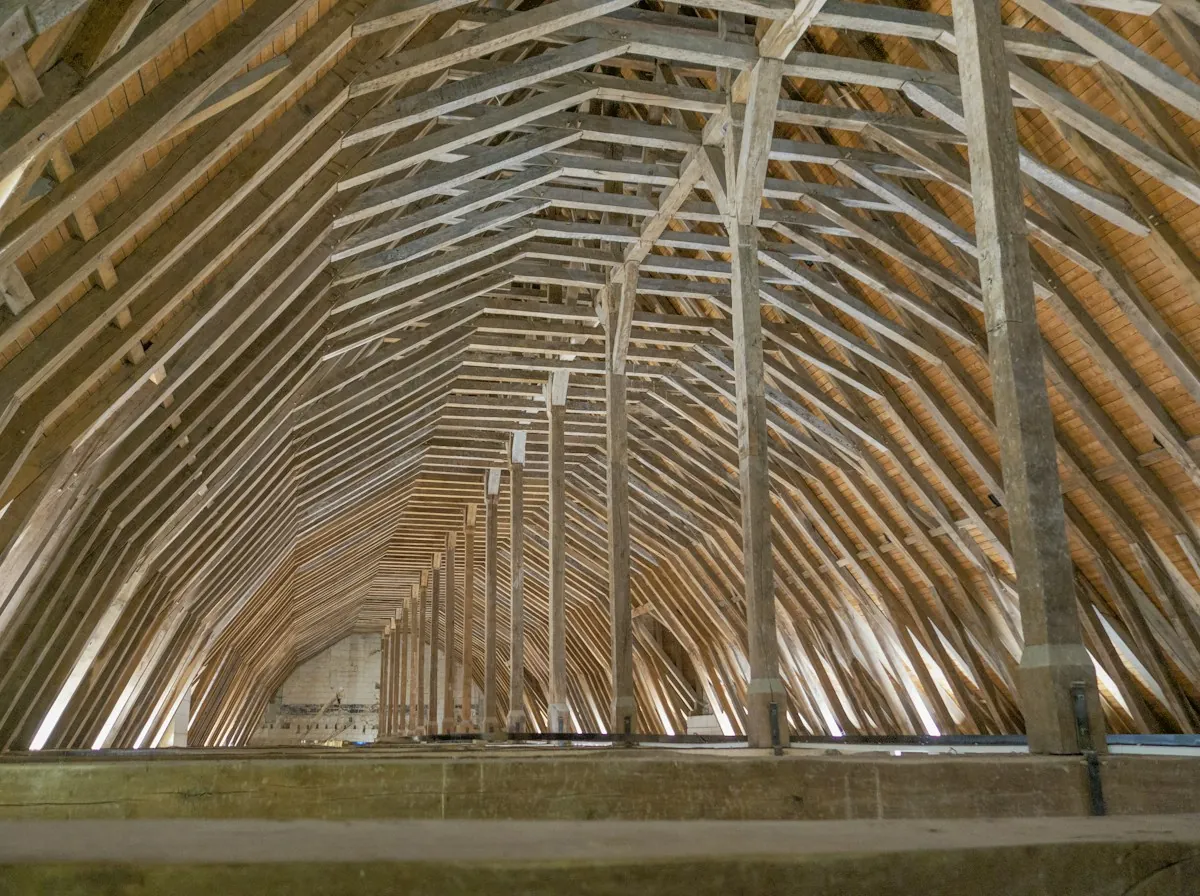
Spalling or widely broken tile, an obsolete profile with no match available, clay rather than concrete, or framing that needs attention once the weight comes off.
Whether the tile itself needed replacing at all. Ask what is wrong with the tile, specifically, and if the answer is about the felt underneath it then you are being quoted the wrong job.
Mixed-era streets mean mixed-era roofs, and frequently several of them on one property: the original house, a rear addition on its own slope, a detached garage re-roofed at some other time. Tile and composition both have real share here, so a Burbank roofer has to price both properly rather than defaulting to one.
Burbank was laid out in 1887 and incorporated in 1911, which makes its oldest residential streets a generation older than most of the San Fernando Valley.
That changes the commercial question completely. A lift and relay -- tile taken up, stacked, new underlayment and flashings installed, the same tile put back -- runs at roughly half the cost of a full tile replacement, because the expensive part of a tile roof is the tile and you already own it.
This is a replacement company saying so, which is the point. The most expensive mistake in this market is buying the whole roof when the job was a section of it.
A ridge cap loosened in a Santa Ana, an upstand split by movement, a vent boot gone brittle in the heat. Repairs, all of them, in the hundreds -- and all of them regularly offered as proof that the whole roof has had it.
A separate garage, an outbuilding, a rear addition on its own roof, or one slope that failed years ahead of the others. What we will also tell you is when a partial is just a deposit on doing the rest at a second mobilization cost.
When it is, we will say so plainly, because that is the same job as saying the opposite done honestly. What no homeowner should accept is either verdict without being walked through the reasoning.
Burbank was laid out in 1887 and incorporated in 1911, which makes its oldest residential streets a generation older than most of the San Fernando Valley.
The reason an overlay is a bad idea on an older Burbank house is underneath it.
Here is the rule that catches Burbank homeowners out.
Working on an occupied Burbank building means working to the city's own construction hours and to whatever the building's parking reality is.
Partial genuinely is the right answer more often in Burbank than elsewhere, because so many properties carry two or three roofs of different ages.
A 1945-50 grid, and a garage roof out the back.
Studio quarter. Controlled parking, managed loading.
Verdugo slopes. Fire zone at the margins, hard access.
Horse country. Outbuildings, and Griffith Park litter.
Half lots. All junction, no side yard.
Heavy canopy, high tile share, LADBS permits.
Dense. Small apartment blocks and LADBS permits.
What is worth knowing before you book this.
It might be the right price for the wrong job. Full tile replacement in Los Angeles is $15 to $25 per square foot, so $30,000 to $60,000 is normal for one. But many tile roofs here need a lift and relay instead -- $8,000 to $22,000, because your existing tile goes back down.
Because the leak is under it. Concrete and clay tile outlast the felt beneath them by decades, so the underlayment tears and goes brittle while the tile field above still looks new from the street. That is the commonest tile failure we see and it is not visible from the ground.
A full replacement in Los Angeles County is estimated at $10,000 to $25,000 for most houses. Composition shingle runs $7 to $11 per square foot here and tile $15 to $25. The range is wide because covering, pitch, access and what the old roof was hiding all move it, which is why the inspection is free and the quote is written down.
Sometimes less would do, and we will say so. A tile roof is very often a lift and relay at roughly half the price. A confined failure on a separate structure is a partial. The test is whether the covering away from the failure still has life in it, and you should be shown the evidence either way.
Maybe, but get a second opinion before you sign anything, and never accept a price given at the door. Ask for a CSLB C-39 number and check it on the public register. That takes a minute and it is the single most effective thing you can do.
Free inspection, and a written quote against a written scope. Every slope photographed before and after - the set is yours.