Roof Replacement in Magnolia Park from $10,000. Full tear-off, deck inspected sheet by sheet, priced before anything comes off. Free inspection and a written quote.
The whole grid here went up between 1945 and 1950, which means your neighbors' roofs are a fairly reliable forecast of your own. It also means the detached garage at the back of the lot is a second roof of the same vintage, and it is usually further gone than the house because it was left out of the last re-roof.
Burbank housing is older and tighter than the post-war tracts further out in the valley, and it is mixed: streets here can carry a 1920s house, a 1940s tract house and a 1960s addition within a few doors of each other. That matters because a replacement quote written off a drive-by assumes one roof, and these are frequently three roofs joined together.


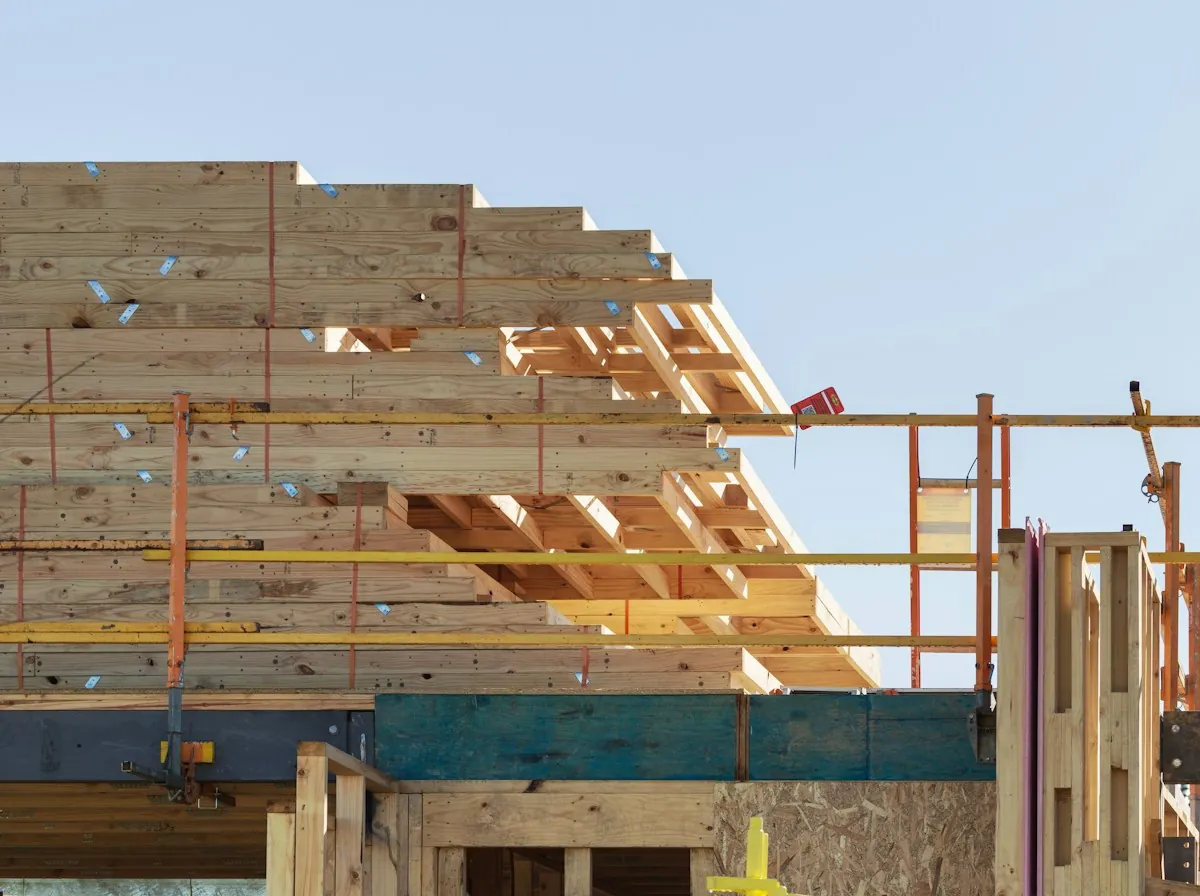
A full replacement in Los Angeles County is estimated at $10,000 to $25,000 for most houses. The range is that wide because covering, pitch, access and what the old roof was hiding all move it -- which is why the survey comes before the number. Two roofs, one mobilization. On these lots the house and the detached garage are separate roofs of the same age, and doing both on one visit is materially cheaper than doing them two years apart. The layer count at the rake decides whether a tear-off is optional.
A simple roof shape, easy street access, a plywood deck in good condition, and booking outside the winter rush when every roofer in the valley is on a ladder.
Skip sheathing that has to be overlaid, a second story, tile rather than composition, a sloping lot, or soft decking found once the covering is off.
Sheathing replacement priced per sheet, the tear-off included or excluded, and the underlayment actually named. Those three account for most of the gap between quotes.
Developed as housing between 1945 and 1950, and now better known to outsiders for the vintage and retro shopping strip along Magnolia Boulevard.
A tight post-war grid of single-story houses on modest lots, most with a detached garage at the rear of the property.
The detached garage is the thing people forget. It is a separate roof, usually on a shallower pitch than the house, and it is often a decade or more behind the house in condition because it was never included last time. Getting both priced at once is cheaper than mobilizing twice.
Magnolia Park's housing went up between 1945 and 1950, which puts most of its original roof structures at seventy-five years and counting.
This is a replacement company saying so, which is the point. The most expensive mistake in this market is buying the whole roof when the job was a section of it.
A tile roof quoted at $30,000 to $60,000 for replacement is very often an $8,000 to $22,000 lift and relay, because concrete tile outlives felt by decades and only the felt has failed. Somebody has to count your tile before that question can be answered.
A separate garage, an outbuilding, a rear addition on its own roof, or one slope that failed years ahead of the others. What we will also tell you is when a partial is just a deposit on doing the rest at a second mobilization cost.
When it is, we will say so plainly, because that is the same job as saying the opposite done honestly. What no homeowner should accept is either verdict without being walked through the reasoning.
Magnolia Park went up as a composition-shingle tract in the late forties, so a tile roof on one of these houses is almost always a later re-cover.
Check the layer count at the rake edge before anything else on these houses.
On these lots the only low slope is usually the detached garage, and on its own it is a small job.
Magnolia Park is overwhelmingly single-family, so the multi-unit work here is the small blocks along the boulevard.
The common Magnolia Park version is house now, garage later, or the reverse.
Laid out 1887. Mixed-era streets, often three roofs a lot.
Studio quarter. Controlled parking, managed loading.
Verdugo slopes. Fire zone at the margins, hard access.
Horse country. Outbuildings, and Griffith Park litter.
Half lots. All junction, no side yard.
Heavy canopy, high tile share, LADBS permits.
Dense. Small apartment blocks and LADBS permits.
What is worth knowing before you book this.
Usually because they are not the same roof. Check whether each one includes a full tear-off, how sheathing replacement is priced, and what underlayment is specified. Those three account for most of the spread you are looking at.
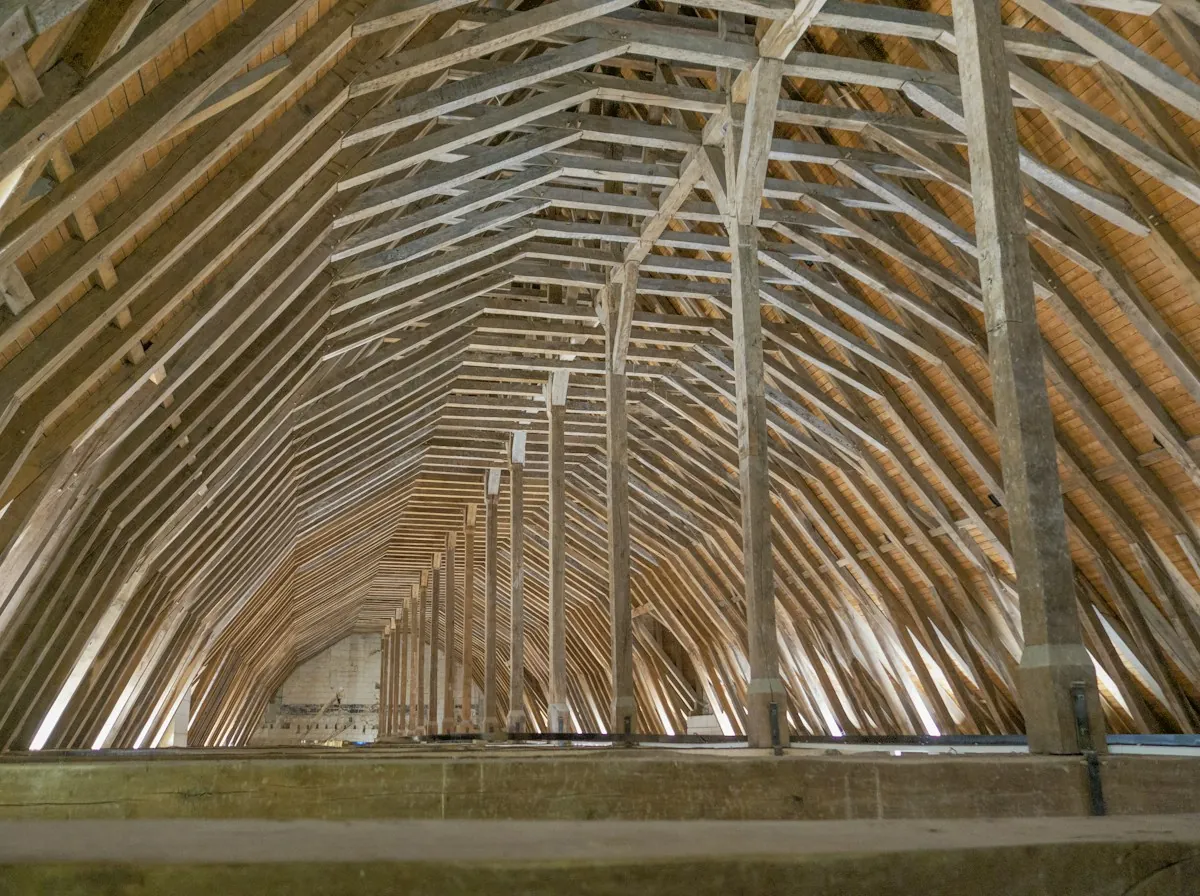
It is a deck of spaced boards rather than continuous plywood, common on Burbank's older houses because it was built for wood shake. A modern covering cannot be nailed into the gaps, so the deck has to be overlaid or replaced first. It is a real cost and it should appear on the quote, not after the tear-off.
Sometimes less would do, and we will say so. A tile roof is very often a lift and relay at roughly half the price. A confined failure on a separate structure is a partial. The test is whether the covering away from the failure still has life in it, and you should be shown the evidence either way.
Because most online figures are national. Asphalt shingle is about $8.50 per square foot here against roughly $4 nationally. A quote that matches a national average is usually missing something -- most often the tear-off or the sheathing allowance.
A typical single-family Burbank house is a three to five day job once it starts: tear-off and dry-in first, covering after. Tile takes longer than composition, and a lift and relay longer again because the tile is handled twice. Weather moves it, and we will not dry-in a roof we cannot finish.
Free inspection, and a written quote against a written scope. Every slope photographed before and after - the set is yours.