Shingle Roof Replacement in Magnolia Park from $7. Composition shingle, torn off to the deck rather than layered over. Free inspection and a written quote.
Check the layer count at the rake edge before anything else on these houses. A 1945-to-1950 roof has very likely been re-covered at least once, and if it has already been overlaid then another layer is not on the table -- which turns what you were told was a cheap job into a tear-off, and it is better to know that before the deposit than after.
Composition shingle is the most common covering on Burbank houses and it is the one where corners get cut, because it is cheap enough that the temptation is to go fast. The two places that happens are the tear-off and the flashings.


Composition shingle runs $7 to $11 per square foot in Los Angeles, with about $8.50 being typical. National figures put it nearer $4, which is why an online estimate and a local quote look like they are describing different work. They usually are. Two roofs, one mobilization. On these lots the house and the detached garage are separate roofs of the same age, and doing both on one visit is materially cheaper than doing them two years apart. The layer count at the rake decides whether a tear-off is optional.
A single-layer tear-off onto sound plywood, a simple roof with few penetrations, and a covering choice at the standard end of the architectural range.
A second or third existing layer, skip sheathing, a lot of valleys and hips, steeper pitch, or a designer-profile shingle.
Flashings. Reusing old step flashing or bedding new shingles into old mastic will leak within a few seasons no matter what the shingle cost.
The detached garage is the thing people forget. It is a separate roof, usually on a shallower pitch than the house, and it is often a decade or more behind the house in condition because it was never included last time. Getting both priced at once is cheaper than mobilizing twice.
Magnolia Park's housing went up between 1945 and 1950, which puts most of its original roof structures at seventy-five years and counting.
Including ours. There are enough door-knockers working this valley that the checks are worth making on anybody.
Nobody can know how much decking needs replacing before the covering is off. It should be a rate per sheet in the scope, not a lump guess and not a change order.
A fire-rated assembly, a named underlayment and a cool-roof compliant product each move the price. A cheaper quote is sometimes a lesser roof rather than a better price.
A covering can look sound from the sidewalk and be finished at the laps. Insist that the roof and the roof space are both looked at before a figure is written down, ours included. What you should never accept is a number at the door, because a number at the door has to be padded to be safe.
The whole grid here went up between 1945 and 1950, which means your neighbors' roofs are a fairly reliable forecast of your own.
Magnolia Park went up as a composition-shingle tract in the late forties, so a tile roof on one of these houses is almost always a later re-cover.
On these lots the only low slope is usually the detached garage, and on its own it is a small job.
Magnolia Park is overwhelmingly single-family, so the multi-unit work here is the small blocks along the boulevard.
The common Magnolia Park version is house now, garage later, or the reverse.
Laid out 1887. Mixed-era streets, often three roofs a lot.
Studio quarter. Controlled parking, managed loading.
Verdugo slopes. Fire zone at the margins, hard access.
Horse country. Outbuildings, and Griffith Park litter.
Half lots. All junction, no side yard.
Heavy canopy, high tile share, LADBS permits.
Dense. Small apartment blocks and LADBS permits.
What is worth knowing before you book this.
It is allowed up to a limit and it is usually the wrong call on a roof this age. An overlay hides the deck, adds weight, and sits on a surface that is no longer flat, which shortens the life of the new covering. On Burbank's older skip-sheathed houses it is worse again, because there is no solid deck to nail into.
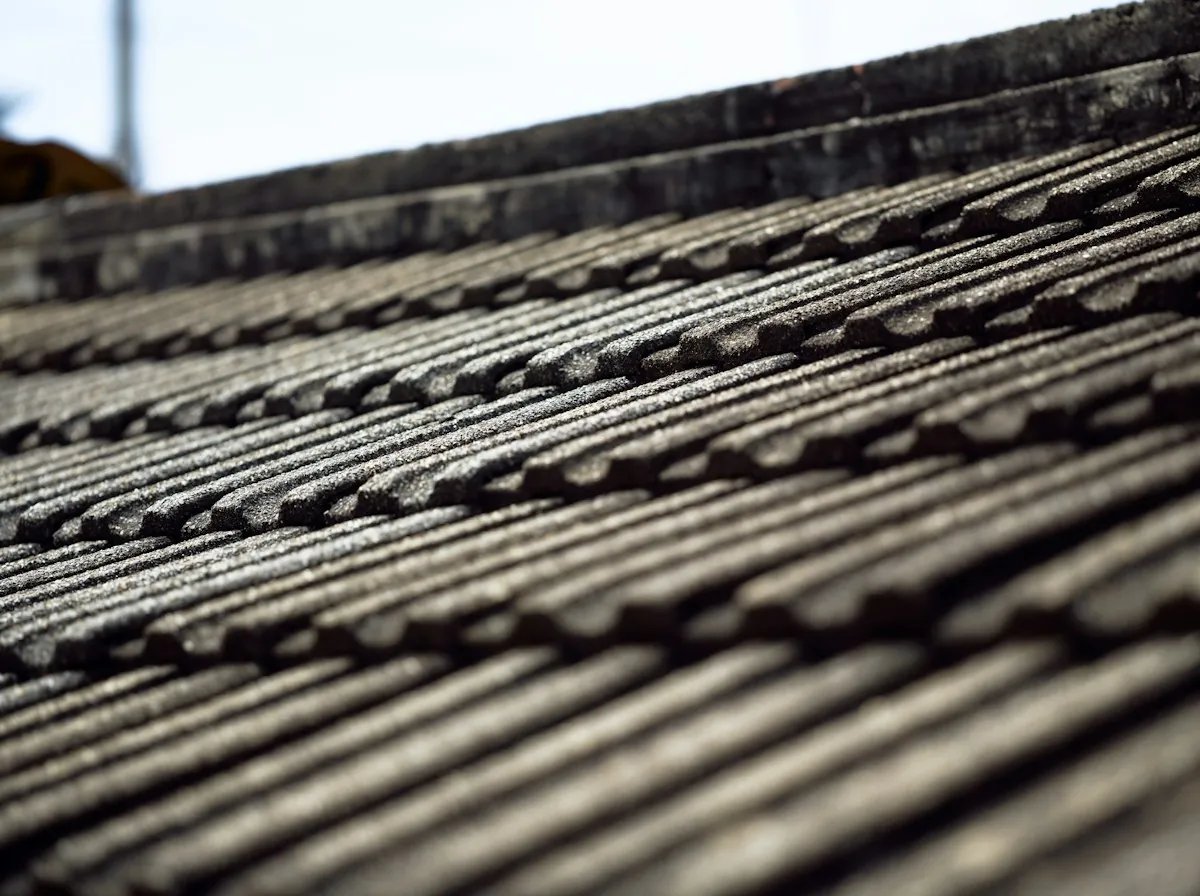
Look at the field rather than the failure. Composition here tends to go across a whole slope at once -- granules gone, tabs brittle, seal lines broken -- rather than in patches. A bald section on an otherwise sound slope is a repair; a whole slope like that is a replacement.
Sometimes less would do, and we will say so. A tile roof is very often a lift and relay at roughly half the price. A confined failure on a separate structure is a partial. The test is whether the covering away from the failure still has life in it, and you should be shown the evidence either way.
Because most online figures are national. Asphalt shingle is about $8.50 per square foot here against roughly $4 nationally. A quote that matches a national average is usually missing something -- most often the tear-off or the sheathing allowance.
A typical single-family Burbank house is a three to five day job once it starts: tear-off and dry-in first, covering after. Tile takes longer than composition, and a lift and relay longer again because the tile is handled twice. Weather moves it, and we will not dry-in a roof we cannot finish.
Free inspection, and a written quote against a written scope. Every slope photographed before and after - the set is yours.