Flat Roof Replacement in the Rancho Equestrian District from $2.50. Low slope over additions, garages and mid-century houses -- and the one Title 24 rule with no exemption. Free inspection and a written quote.
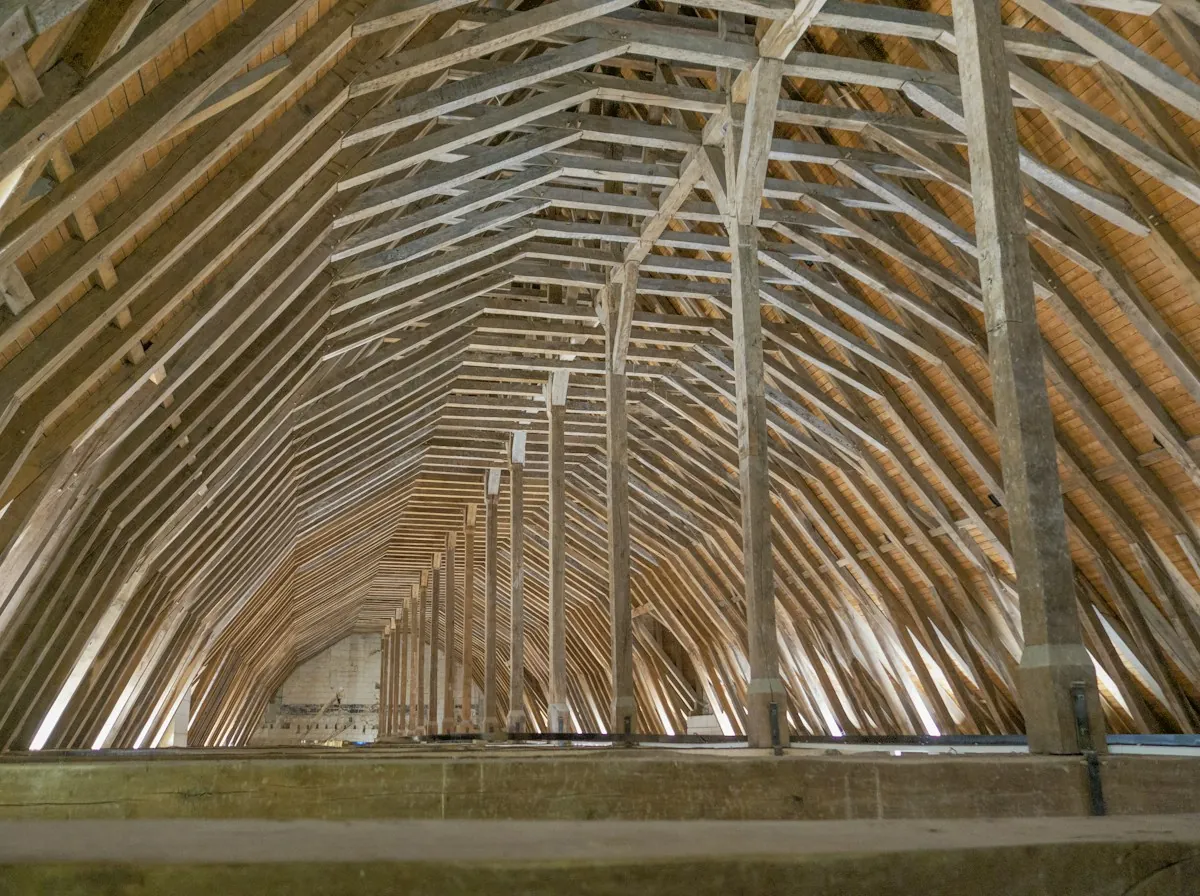
Barns, shelters and covered arenas are long-span low slope, and ponding between purlins is the usual finding. A deflection that would not matter on a house holds standing water on a thirty-foot span, and on an equestrian property the consequence of a leak is ruined feed and bedding rather than a stained ceiling.
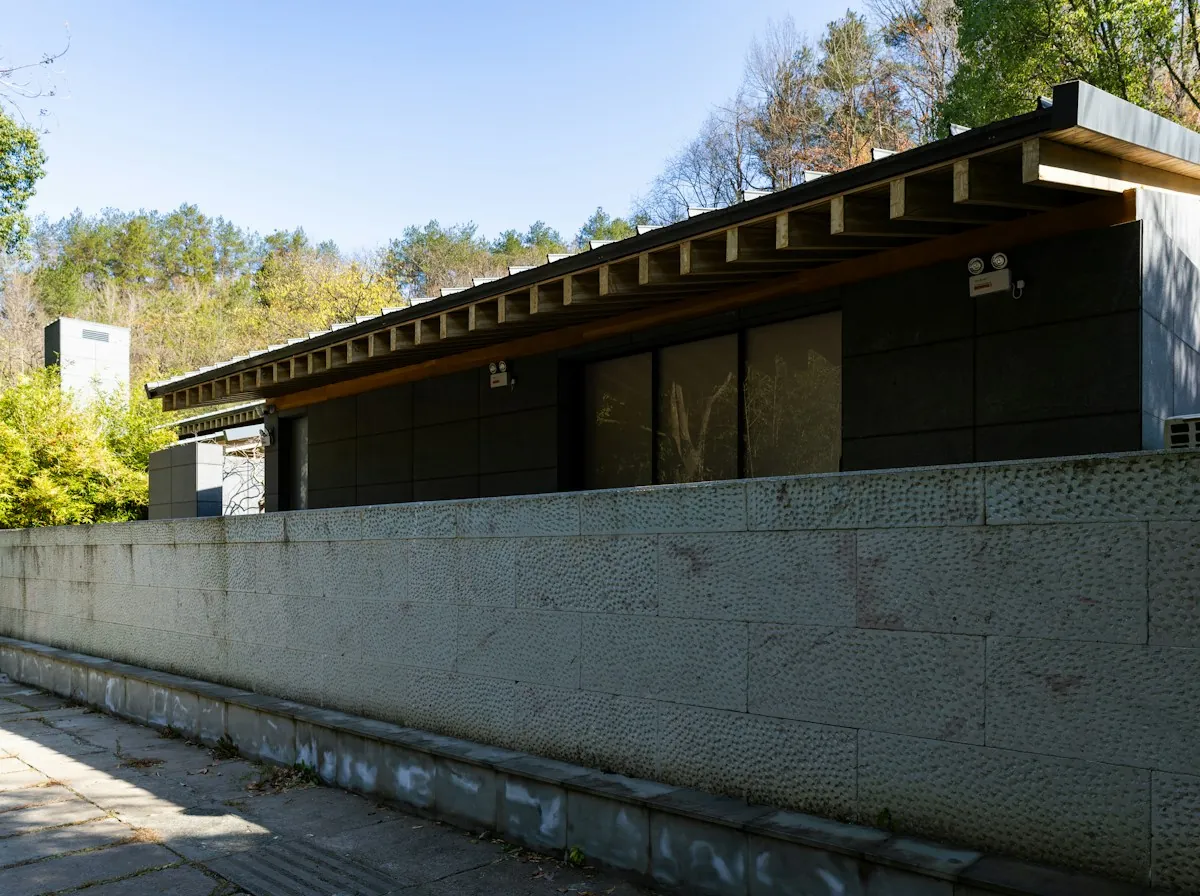
Burbank has a great deal of low-slope roof that is not on a commercial building: rear additions, converted garages, carport roofs, patio covers tied into the main house, and genuinely flat mid-century houses. All of it sheds water slowly, which means it depends on the drainage working rather than on gravity doing the job for it.


If the substrate is sound and dry, a coating at $2.50 to $7.00 per square foot is often the right answer and by some distance the cheapest. A full low-slope replacement is quoted against the system and the drainage work it needs, and on a house it normally sits at the lower end of the $10,000 to $25,000 replacement range rather than the top. Expect an itemized quote rather than a single figure, because there is usually more than one roof on the parcel. Long-span outbuildings price differently from the house, and the saving on a Rancho property comes from doing them on one mobilization.
A sound, dry substrate can be coated. We establish whether yours is before quoting a replacement, because coating a wet roof seals the moisture in and buys about a year.
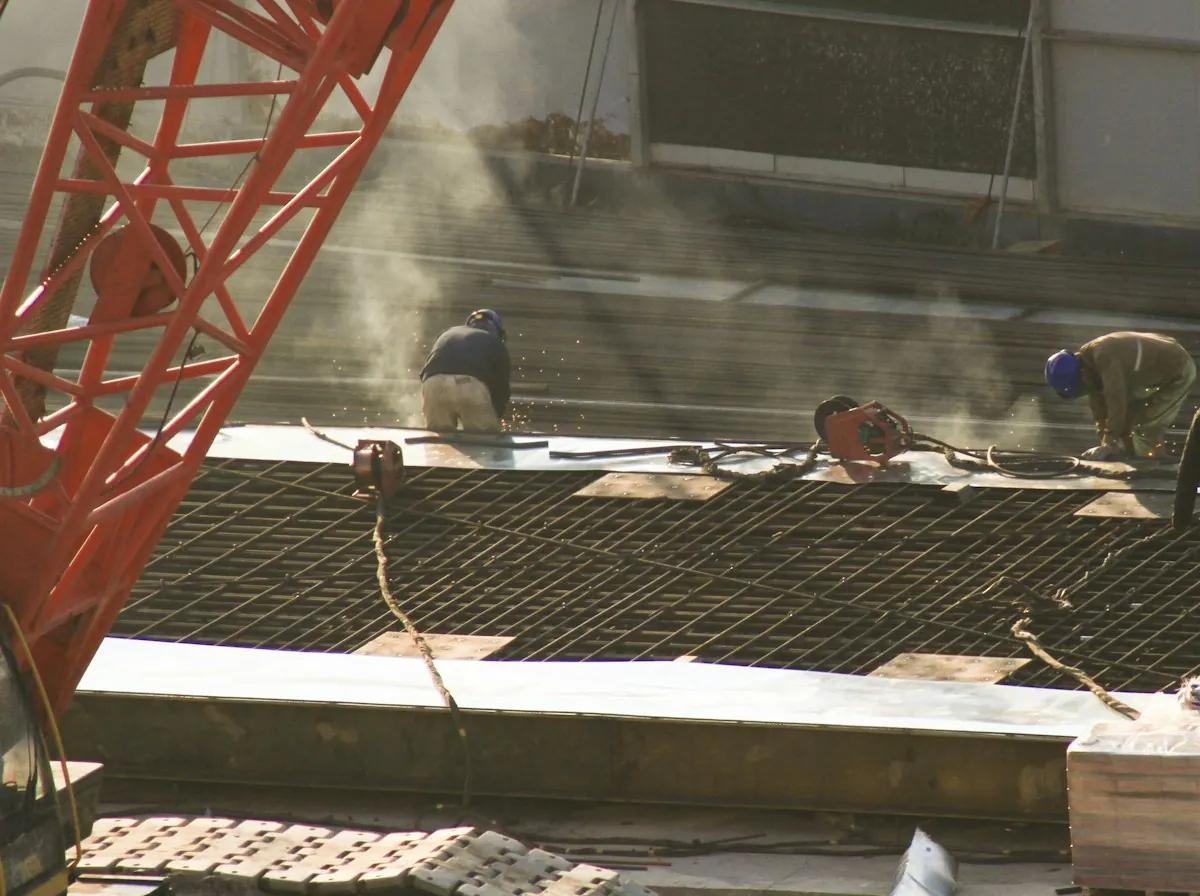
Fall that has to be rebuilt rather than re-covered, wet insulation, new or enlarged outlets, and roof-mounted equipment that has to be lifted and re-flashed.
Cool-roof compliance. Low slope has to meet it in every California climate zone once more than half the area is replaced, and the product's rating belongs on the quote.
There is usually more than one roof on a Rancho property, and the accessory buildings tend to be the ones in worse condition because nobody looks at them until something stored underneath gets wet. The tree canopy is the other local variable: leaf litter in valleys and gutters holds water against the covering long after the rain stops.
The Rancho Equestrian District is zoned for horse keeping and runs up against Griffith Park, so most properties here have outbuilding roofs as well as a house roof.
Including ours. There are enough door-knockers working this valley that the checks are worth making on anybody.
California licenses roofing under classification C-39, and the register is public and searchable in about a minute. Ask for the number before the work, not after it.
A fire-rated assembly, a named underlayment and a cool-roof compliant product each move the price. A cheaper quote is sometimes a lesser roof rather than a better price.
A covering can look sound from the sidewalk and be finished at the laps. Insist that the roof and the roof space are both looked at before a figure is written down, ours included. What you should never accept is a number at the door, because a number at the door has to be padded to be safe.
Most Rancho properties have more than one roof, and a replacement quote that gives you a single figure has quietly decided which ones it includes.
On a Rancho parcel the house is often tile and the outbuildings almost never are.
Under the Griffith Park canopy, shingle takes organic damage rather than ultraviolet damage.
There is very little apartment stock in the Rancho.
Outbuildings are separate structures, so re-roofing the barn does not count toward the house and vice versa.
Laid out 1887. Mixed-era streets, often three roofs a lot.
A 1945-50 grid, and a garage roof out the back.
Studio quarter. Controlled parking, managed loading.
Verdugo slopes. Fire zone at the margins, hard access.
Half lots. All junction, no side yard.
Heavy canopy, high tile share, LADBS permits.
Dense. Small apartment blocks and LADBS permits.
What is worth knowing before you book this.
Water still sitting 48 hours after rain means the fall is wrong or a drain is not working. Not an emergency this week, but it is what turns a small repair into a deck replacement if it is left for a couple of winters.
If the substrate is sound and dry, yes -- $2.50 to $7.00 per square foot, and it is often the right answer. If it is not sound, coating seals the moisture in and buys about a year. We establish which you have before quoting either.
A typical single-family Burbank house is a three to five day job once it starts: tear-off and dry-in first, covering after. Tile takes longer than composition, and a lift and relay longer again because the tile is handled twice. Weather moves it, and we will not dry-in a roof we cannot finish.
It depends on the slope. Burbank is Title 24 climate zone 9, and the steep-slope cool-roof requirement applies in zones 10 to 15 -- so a pitched roof here is generally outside it. Low slope is different: that requirement applies in all sixteen zones with no exemption, once more than half the roof area is replaced.
Re-roofing is permitted work. In Burbank it goes through the City of Burbank's Building and Safety Division -- not LADBS, because Burbank is its own incorporated city -- and re-roof permits can be pulled through the city's own portal. Toluca Lake and North Hollywood are City of Los Angeles and do go through LADBS. We pull it either way, and the inspection is your independent check that the specification was followed.
Free inspection, and a written quote against a written scope. Every slope photographed before and after - the set is yours.